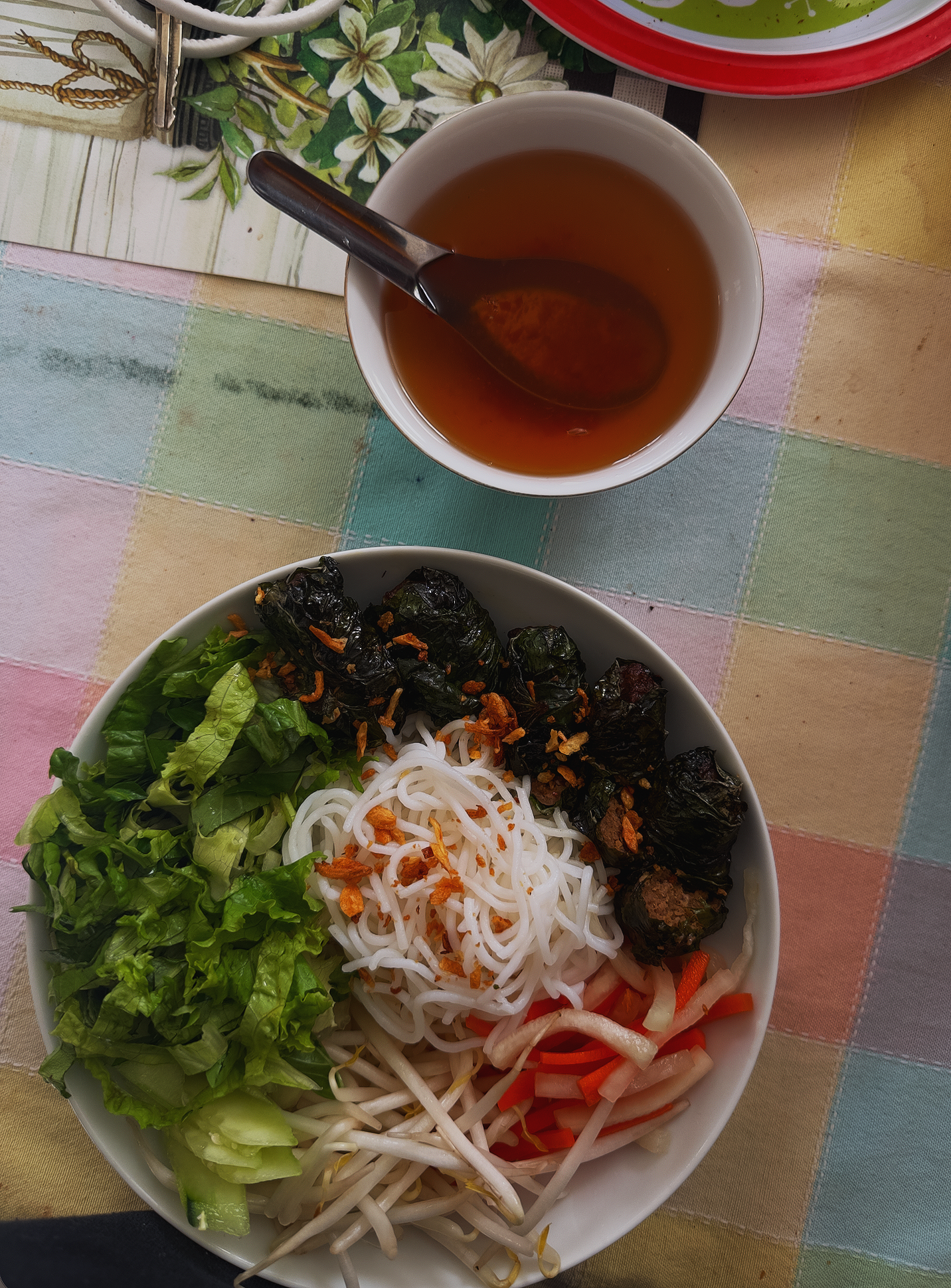
Our Story
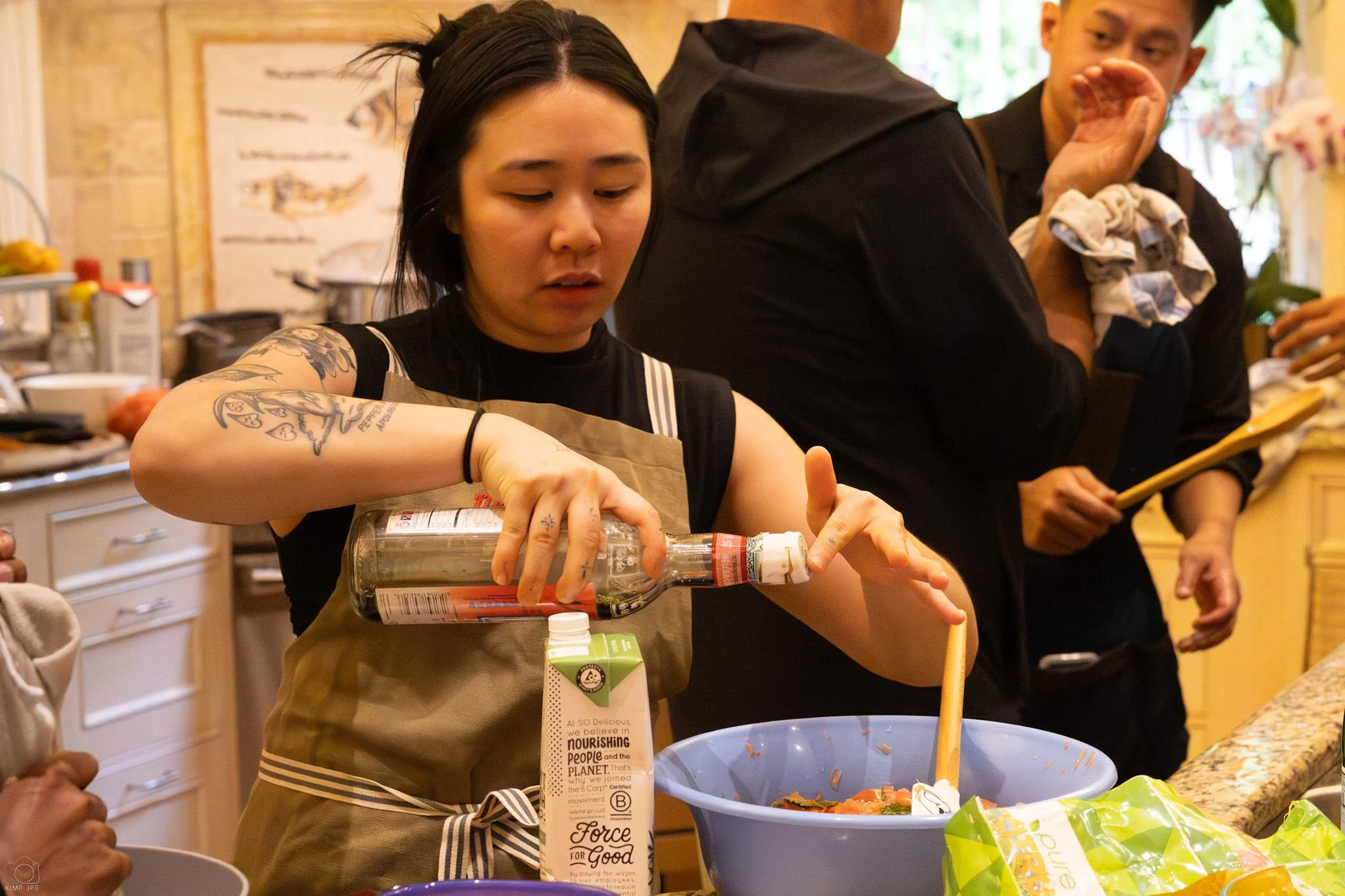
When I started building The Origin, figuring out what this dinner was going to be and what it would stand for, I knew I wanted to reach out to Three Crabs because they were an early presence in my introduction to cooking. They were the only ones that felt true to what nêm nếm is. The only one that belonged in the story I was trying to tell.
It was a hail mary. Surely a globally recognized brand had bigger fish to sauce than to associate with a budding supper club in North Carolina. To my own surprise and honor, they responded. What followed was a newfound appreciation for the ingredient I grew up with; a dream collaboration with a brand I use everyday; and a reimagined homage to the meals it was cooked with––alongside the stories of those who believed in it.
It Originates With Mom
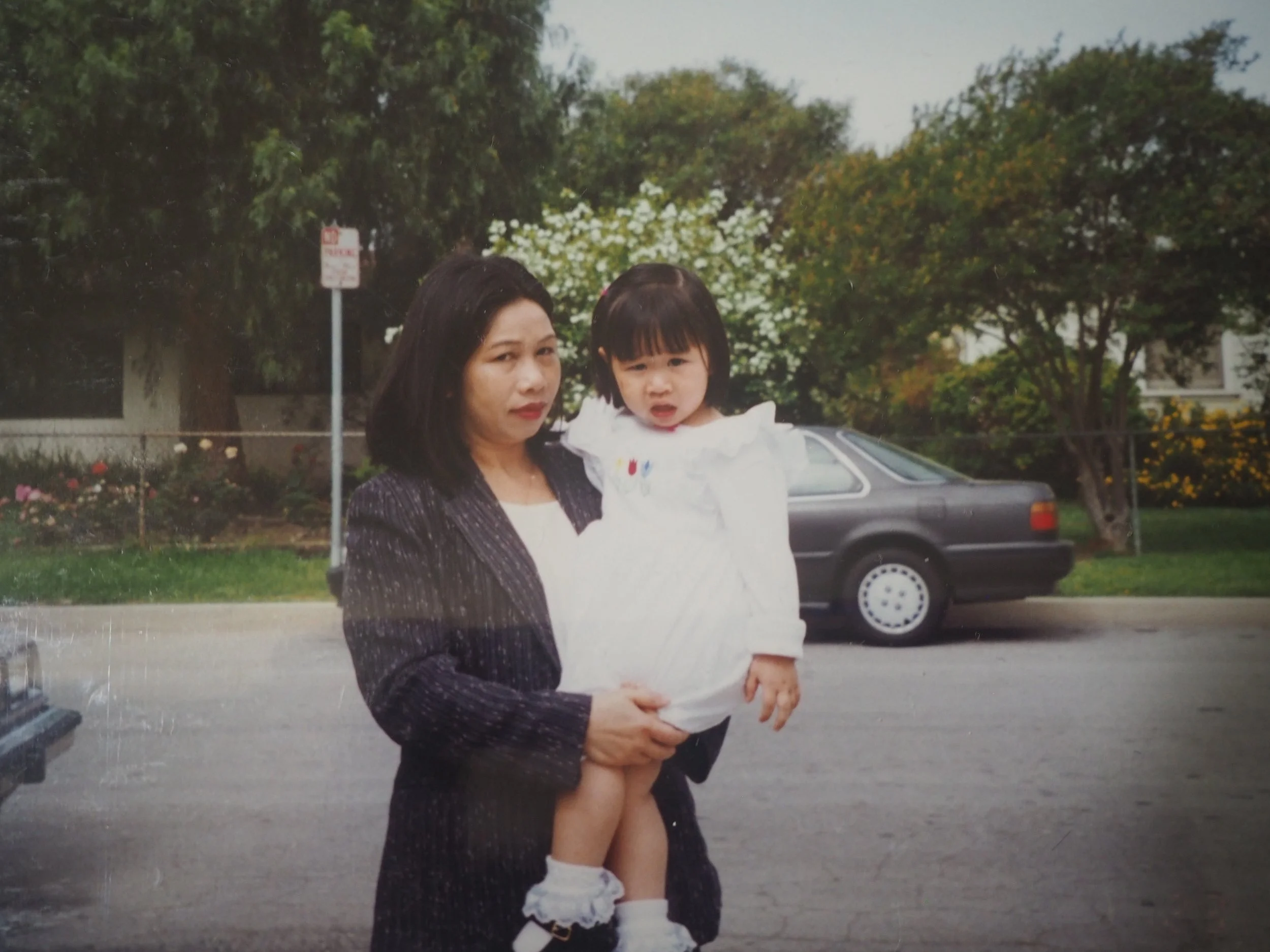
While growing up in Vietnam, my mother bought fish sauce the way one buys milk — at the market from someone who made it themselves, in bulk, no need for fancy packaging. Fish sauce was just a daily necessity to buy, like rice or produce. When she immigrated to the United States, all of that changed.
Suddenly fish sauce was limited and could only be found in hard-to-track grocery stores, packaged in bottles adorned with unfamiliar labels. After trying each and every one bottle, one specifically gave her the taste of home she had been missing all these years.
Three Crabs was not exactly the same –– nothing is ever exactly the same after you've crossed an ocean and rebuilt a life from the ground up. But, it gave her something she needed, the feeling of home in a place that wasn't yet home.
My mother kept buying it, and Three Crabs eventually became a staple on our kitchen counter. It was the consistent ingredient she reached for without thinking. It was the one I grew up watching her pour without measuring. “Cứ rót một ít rồi nêm nếm là được,” she would say.
Thanks to Three Crabs, my mom never really left Vietnam and she did not have to leave it behind in her cooking.
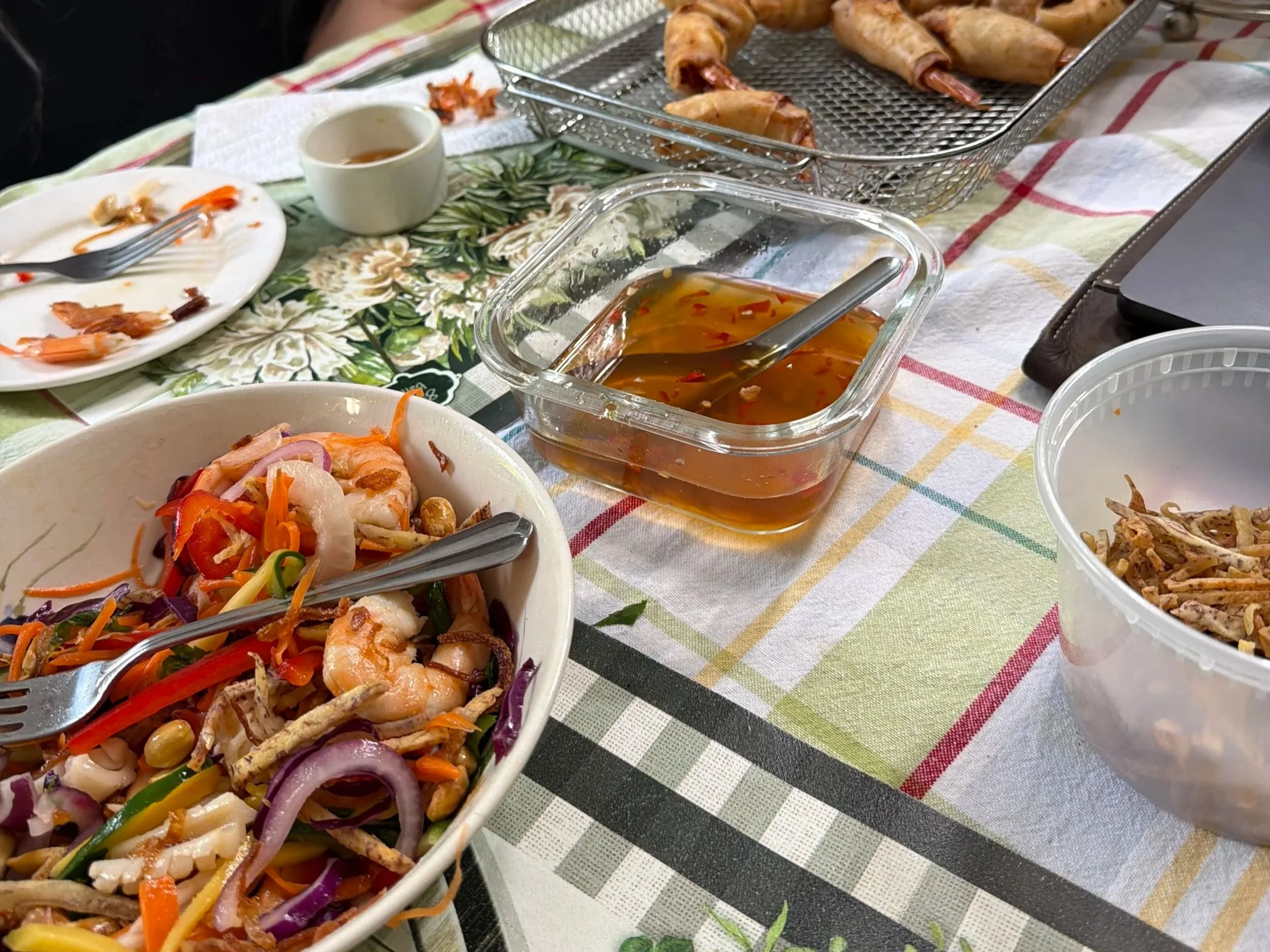
Why Three Crabs Stands Out
Not all fish sauce is the same. I know that sounds like something everyone says about everything, but I mean it in a specific, personal way that only makes sense if you've cooked with more than one.
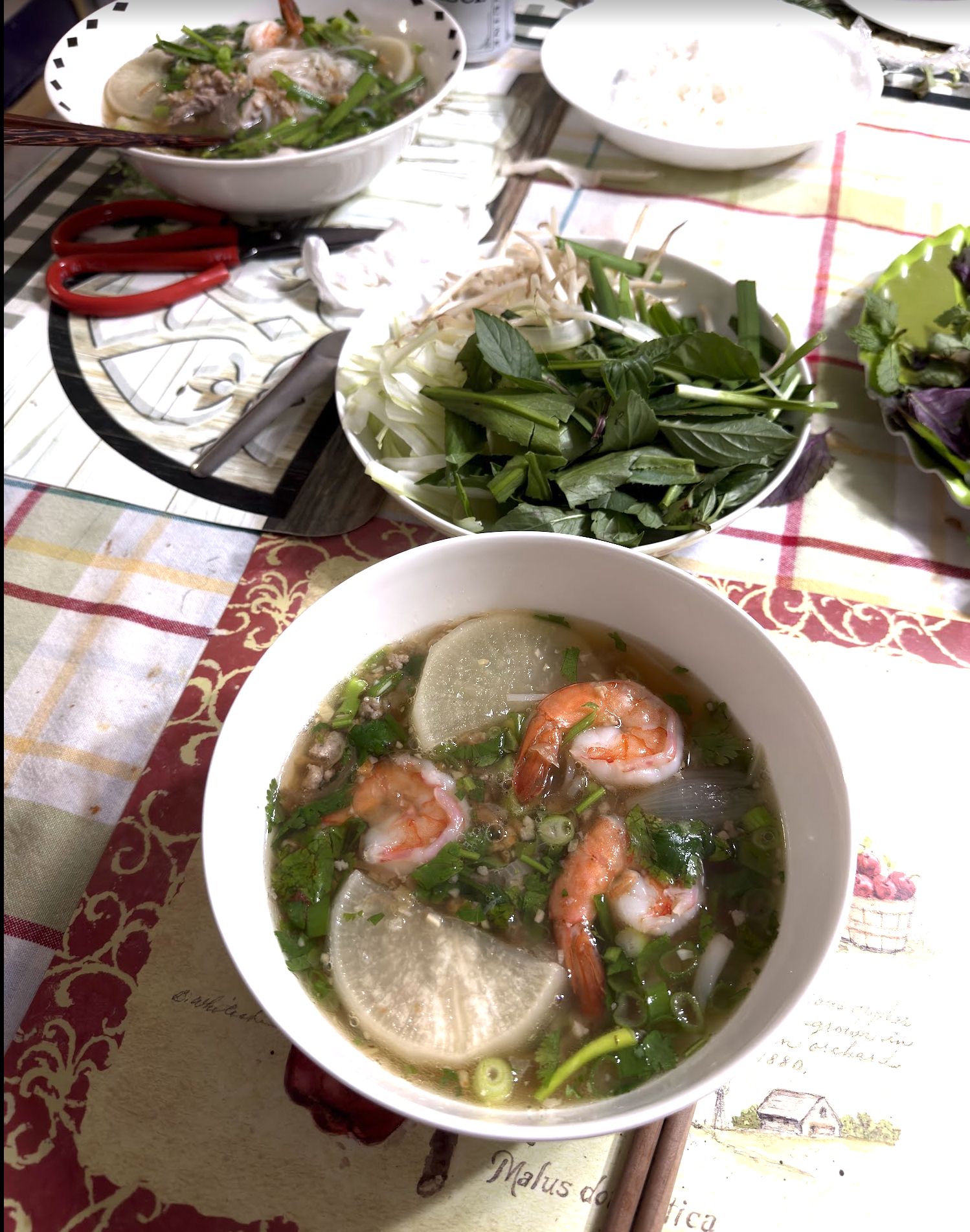
I’ve dabbled in other fish sauces, but there's a reason Three Crabs is the one I reach for when it matters. I've tried other brands. Some are too sharp. Some hit you before the food does. Some just taste like salt with ambition. It doesn't take over. Like any good ingredient, it seasons by making everything else in the dish taste more like itself. It’s like the life of the party finally entering the room, but it doesn’t need to announce that it’s there.
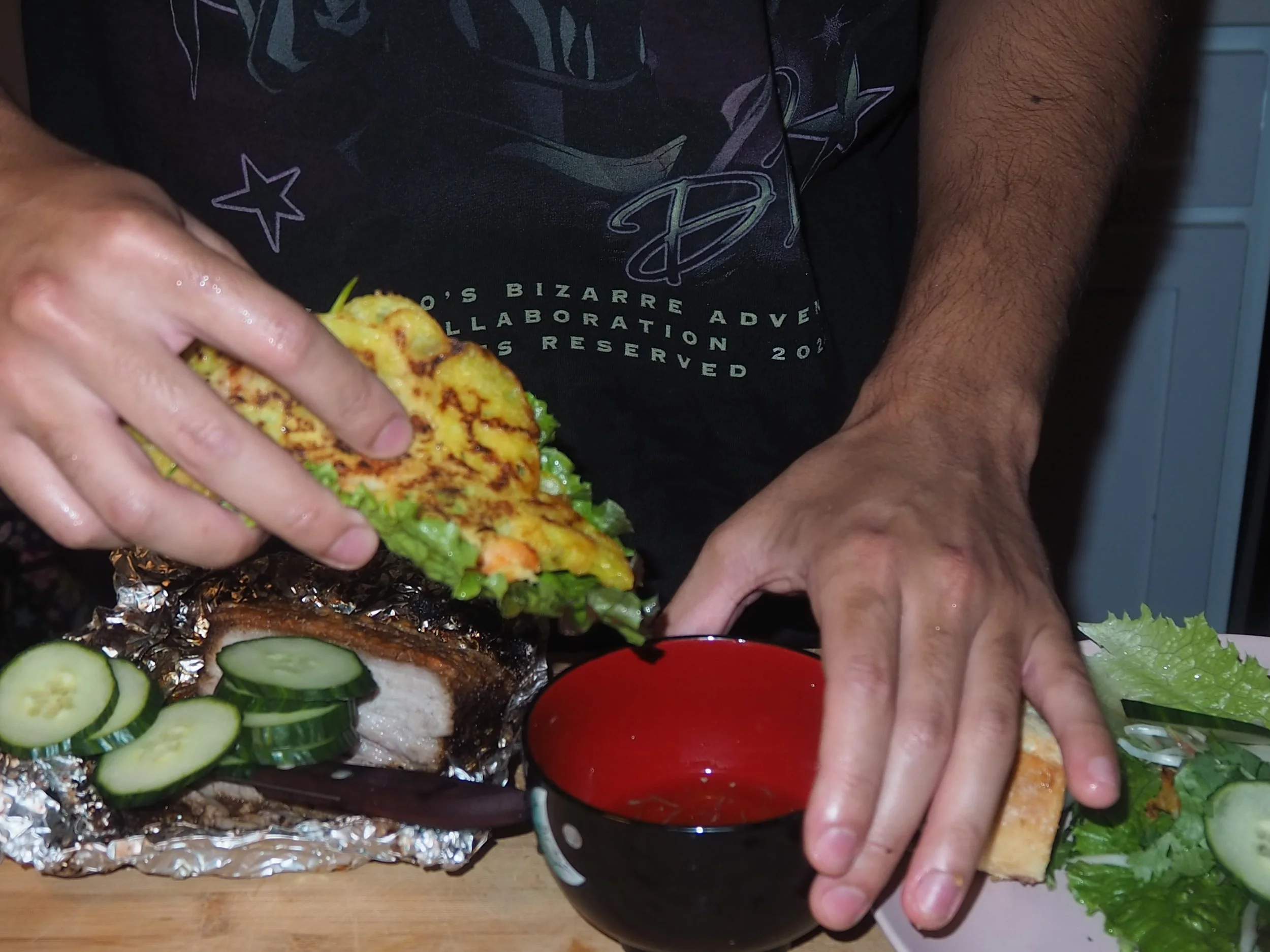
I put Three Crabs in omelets, rice and spaghetti, which I must credit my mom for doing first. I put it in pumpkin soup, which purely happened by accident. I was cooking for a client who had no stock, no bouillon, nothing to build depth with, and, on a whim, I added fish sauce instead.
What came out was that the pumpkin tasted more like pumpkin. It didn’t oversaturate the creaminess, it didn’t make it saltier, it didn’t taste like fish; it tasted more like itself.
That was the moment I knew that fish sauce isn't just a Vietnamese ingredient. It's a personality ingredient. It goes into whatever I'm cooking, regardless of cuisine, because it makes tastes and textures feel like what they're supposed to be.
I've started suggesting Three Crabs to everyone, every time. Not as a brand, but as the answer to a question they didn't know they were asking.
The Viet Huong Fish Sauce History
When I initially reached out to Three Crabs, I knew little to nothing about the company’s history. I certainly knew the bottle, and I knew what it meant in my mother's kitchen. I definitely knew it was the only brand that belonged at a nêm nếm table.
Then Eric Chung told me about his family's story: his grandparents, Sanh and Hoa, founded the company. In the 1980s, trade restrictions between Vietnam and the United States made it nearly impossible to ship Vietnamese products directly to Vietnamese families abroad.
The flavor of home was cut off at the border. So, his grandfather established Viet Huong's factory in Hong Kong using its free trade zone to keep Three Crabs moving, to keep it reaching the kitchens that needed it.
The bottle my mother found when she immigrated, the one that tasted close enough to home that she kept buying it — it existed because a family in Hong Kong refused to let a trade restriction win.
I don't think I'd fully processed what nêm nếm was about until I heard that story. But now I see that it’s exactly the same story.
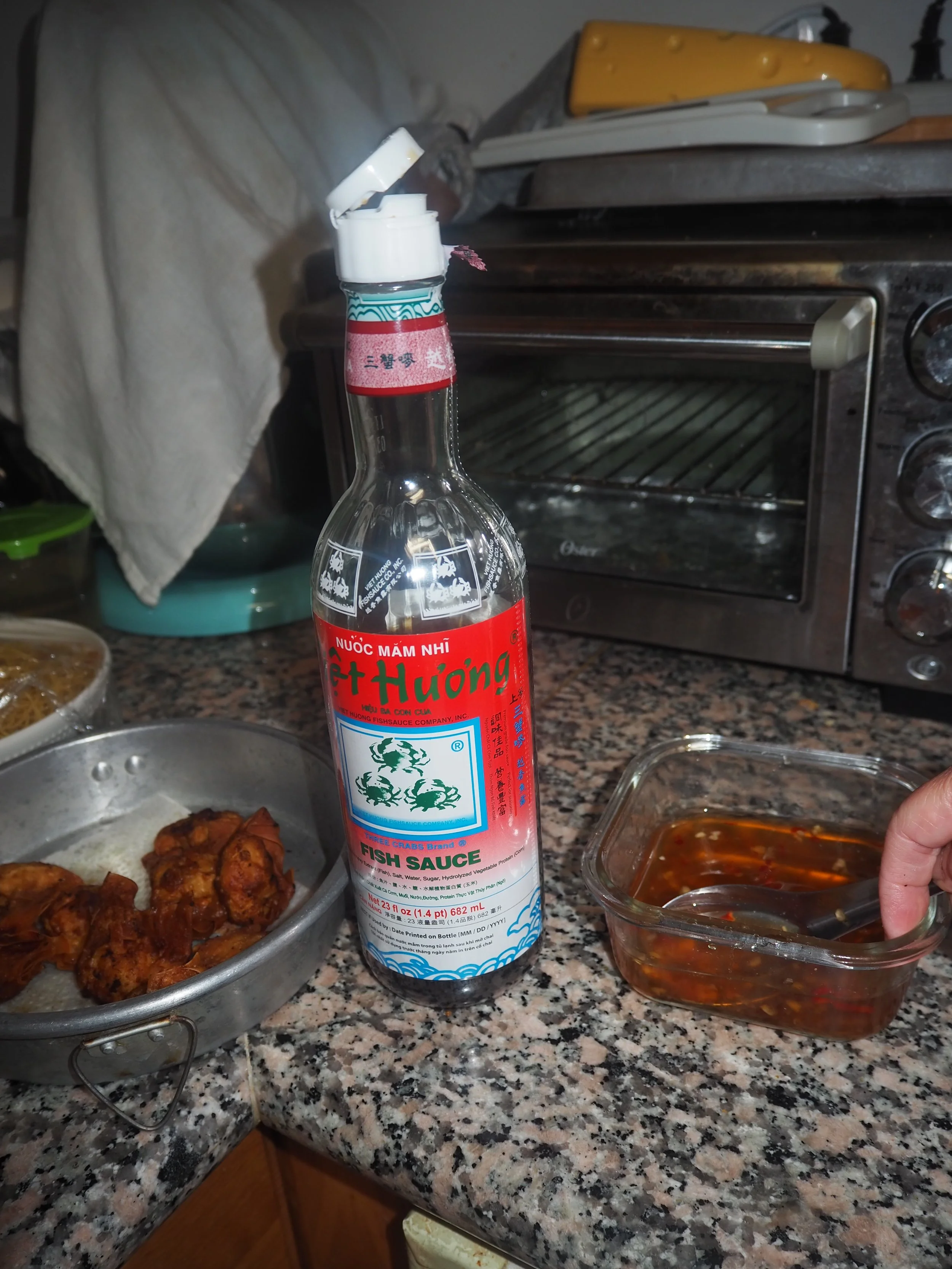
What Migration Actually Does
Three Crabs started in Vietnam. The production moved to Hong Kong. Now Viet Huong has offices in San Francisco. Every time it moved, it could have lost something — some quality, some authenticity, some connection to what it originally was. It didn't. The process stayed the same. The tradition held. Moving didn't make it less real. It made it more resilient.
My mom started in Vietnam. She had to leave. She built a life in the United States. And yet, she never stopped cooking the same way — Vietnamese food, the same ingredients, the same techniques, the same instinct about when something needs fish sauce. She carried her culture across an ocean and it compounded instead of diluting.
That's what migration does when you hold on. It doesn't take things away. It adds generations to them.
My mom developed the tradition. I carry it forward — into Vietnamese food, yes, but also into every other cuisine I cook. Into my private chef clients' kitchens, into the spaghetti, into the pumpkin soup, into every dish where something is missing and fish sauce is the answer.
That's the work of true resilience. Each generation adds meaning. Nothing gets lost.
nêm nếm exists because of that resilience. It exists because my mom carried something real across a border. I picked it up and kept going.
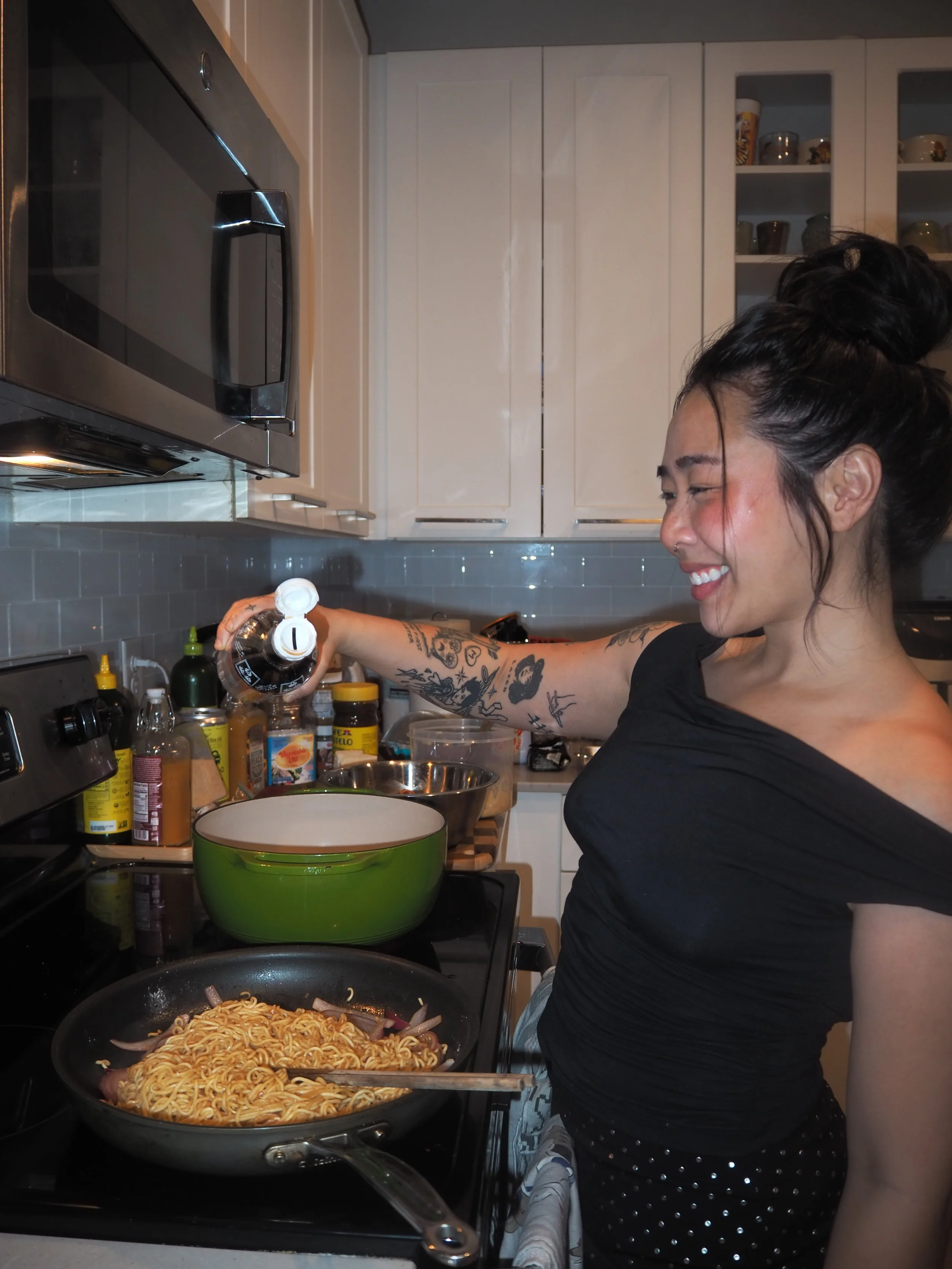
What The Origin Actually Is
The Origin is not just my mom's story.
It's not just a dinner. It's not just a collaboration.
It's the beginning of what we’re building at nêm nếm. It's the raw story of me and my mom together, at the same table for the first time in a way that matters.
She cooked so I would know what home tasted like. I built a supper club so other people could taste it too. That's all nêm nếm has ever been and will be — passing on what my mother gave me, to people who maybe needed it and didn't know it yet.
A menu built on Vietnamese flavors and the knowledge of carrying its legacy forward into other cuisines, other contexts, other kitchens. Three Crabs will be on every table because it's the first real brand’s story that feels true to my own, just told from different sides of the same migration.
Each guest goes home with a custom-labeled mini bottle of their own fish sauce, a nêm nếm × Three Crabs piece made for this evening.
Something to keep. Something to cook with. Something that holds the story inside it.